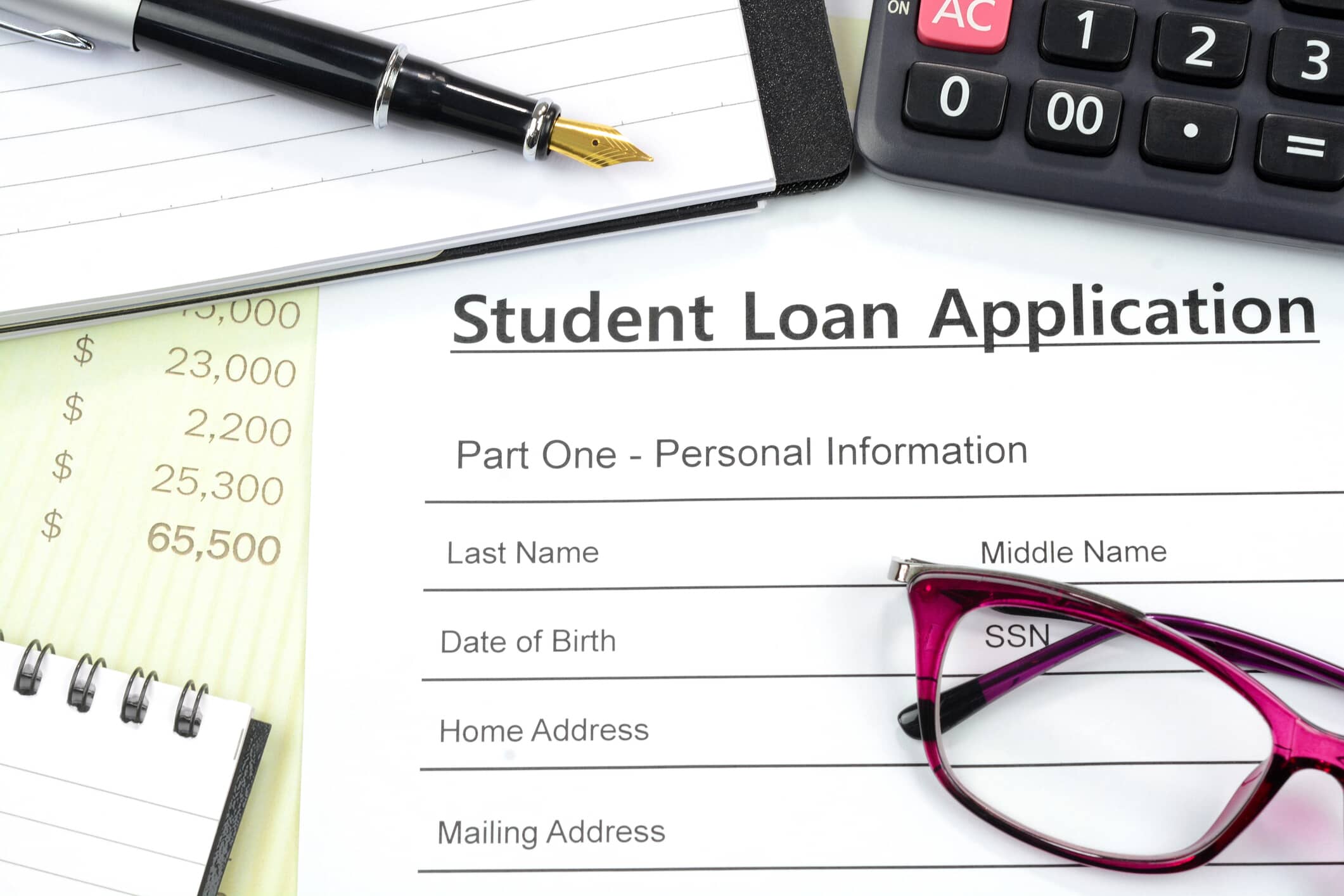
In early 2026, after years of pandemic-era relief, the U.S. Department of Education resumed garnishing wages of borrowers in default on federal student loans. About 5.5 million borrowers are in default. If you’re one of them or you’ve received a garnishment notice, bankruptcy offers some options for relief.
The Department of Education can pursue wage garnishment if your federal student loan is in default, which means you’ve gone more than 270 days without a payment. The DOE doesn’t need to sue you first. After a 30-day notice, it can order your employer to withhold up to 15 percent of your disposable pay. You have the right to a hearing, but garnishment continues until you resolve the default.
However, the moment you file for bankruptcy, a court order called the automatic stay takes effect. It stops most collection actions, including wage garnishment, lawsuits and collection calls. That applies to student loan garnishment, too. Even if your student loans aren’t wiped out, stopping the garnishment gives you breathing room and frees up money for rent, utilities and other essentials.
Many people believe student loans cannot be wiped out in bankruptcy. Sometimes, they can. But you must file a separate lawsuit within your case, called an adversary proceeding, and show that repaying the loans would cause undue hardship.
Since 2022, the U.S. Department of Justice has used a streamlined review for federal loans held by the Department of Education. You complete a detailed attestation form about your income, expenses and repayment efforts. If the government agrees you qualify, it can recommend that the judge grant a full or partial discharge. Private student loans follow different rules.
If you’re facing a wage garnishment, don’t watch your paycheck shrink while you figure out your next step. An experienced bankruptcy attorney can help you stop the garnishment and protect your income.
A strong remedy is a Chapter 13, which allows you to repay creditors through a court-approved plan lasting three or five years. The automatic stay that takes effect upon filing protects you for the life of the plan, so garnishment remains stopped. Your plan payment is based on what you can afford. Reduced credit card and medical debt can free up room to deal with your student loans. Those loans usually remain after the plan ends, but you’ll be in a far stronger position to repay them.
At Jeff Field & Associates, LLC, we help consumers throughout Georgia discharge or manage debt through Chapter 13 bankruptcy. We have convenient locations in Bogart, Decatur, Douglasville, Gainesville, Lawrenceville and Marietta. Contact us online or call 404-381-1278 for a free initial consultation.



-
 5.0/5.0
Restored my faith in competence completely. I initially contacted a different attorney who only offered Consumer Credit Counseling. A voice advised to get a second opinion, and I was led to Jeff Fields. The office manager was truly warm and helpful a...
-
5.0/5.0
Great process. Detailed communication provided resources for rebuilding. Would recommend!
-
5.0/5.0
I had an excellent experience working with my bankruptcy attorney. From the very beginning, they were professional, knowledgeable, and compassionate. Filing bankruptcy can be overwhelming, but they took the time to explain every step of the process, ...
-
5.0/5.0
I had a great experience using Jeff Field and Associates for filing my Bankruptcy. Everyone was very professional and helpful. Connie Adams was so knowledgeable and patient with all of my questions I’m so glad that I chose this law firm and would r...
-
5.0/5.0
Great experience from start to finish. The process was smooth and stress-free, and Ms. Connie was amazing throughout—very helpful, professional, and supportive. I truly appreciate all the guidance and would highly recommend this firm.
Please fill out the form below and one of our attorneys will contact you.